 Log In





Short answer? Yes. But not by trying to beat online retailers at their own game.
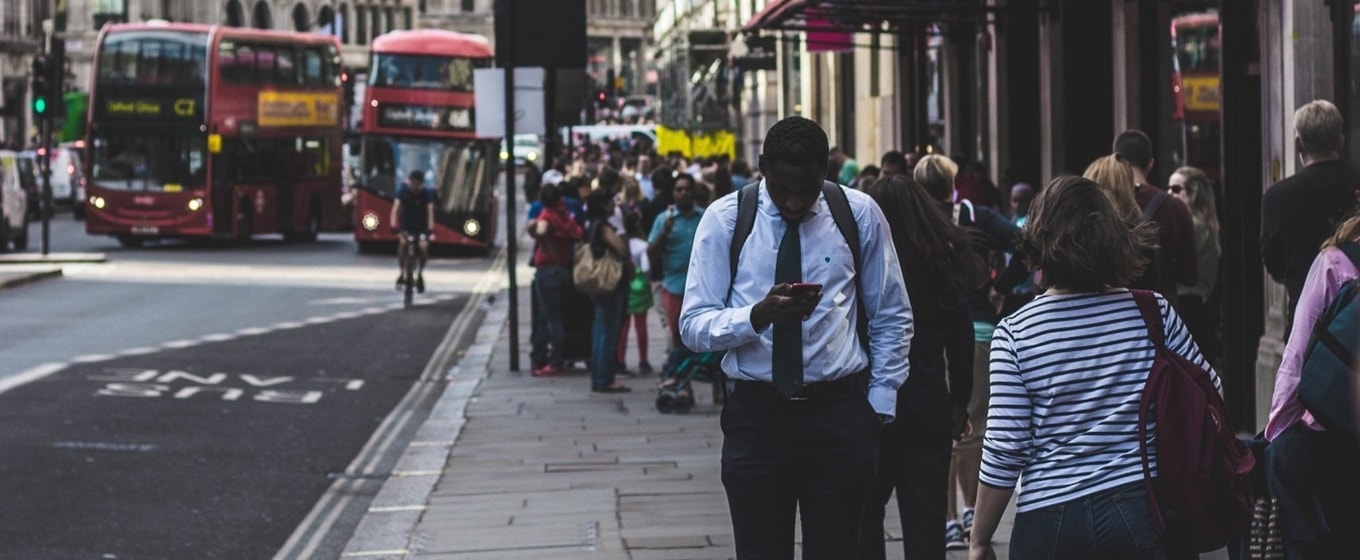
Walk down most UK high streets and you’ll see two stories playing out at once. On one side, busy cafés, independent shops and service businesses. On the other, empty units and “To Let” signs – a picture made starker this year as well‑known names like River Island, Poundland, and Claire’s prepare for or continue widespread closures across 2025–26
It’s not the end of the high street as we know it. But it is a turning point.
Footfall has steadied in many towns. Sales in non-food stores have picked up at the start of 2026. But customers are more cautious. Rising living costs and job-security worries mean people are thinking harder before they spend – especially on non-essentials.
Retailers now have to work harder for every pound.
The good news? Physical retail still has strengths that online simply can’t copy.
Why the high street still matters
This isn’t “online vs in-store” anymore.
Most customers move between the two without thinking. They browse on their phone, collect in store, return in person, compare prices instantly, and expect it all to feel seamless.
E-commerce is powerful. AI-driven recommendations, social shopping and next-day delivery have raised the bar. But none of that replaces:
- A great haircut
- A properly made coffee
- Trying something on before buying
- Discovering something you didn’t know you wanted
- A place to meet friends
High streets aren’t just rows of shops anymore. The ones that work feel like ecosystems – retail mixed with food, leisure, services and community spaces. When it comes to high street versus e-commerce, the goal is to complement rather than compete.


Enjoying this article?
Sign up to receive regular insights to your inbox.
What today’s customers actually want
If you’re planning for 2026 and beyond, millennials and Gen Z matter. They have spending power – and strong expectations.
1. No friction
They don’t see “online” and “offline” as separate. They expect:
- Click & Collect
- Easy returns
- Consistent pricing
- Fast service
If something feels clunky, they move on.
2. Transparency
Shoppers increasingly want to know where products come from and what brands stand for. Around 67% of consumers are willing to pay more for products with verified sustainability credentials.
Sustainability and ethics aren’t niche concerns anymore; they influence buying decisions.
3. Emotional loyalty
Points alone won’t keep customers coming back. Convenience, good service, personalised touches and small “feel-good” moments matter more.
4. Value – even for treats
Budgets might be tight, but people still spend on things that feel worth it. Especially experiences or small luxuries that feel justified.
So how can high street retailers win?
Not by copying Amazon. By leaning into what makes them different.
Think small. Move fast.
Independent retailers and smaller chains have an advantage: agility.
They can:
- Test new ideas quickly
- Adjust stock based on local demand
- Pivot when trends change
- Improve processes without layers of approval
Speed matters more than ever – especially as larger chains restructure, downsize or disappear from high streets. (Just look at River Island, Poundland or the complete exit of WHSmith’s high‑street division in 2025.)
Sell experiences, not just products
Online offers convenience and choice.
Physical retail can offer atmosphere, service and human connection.
Shops that feel like destinations – places to learn, try, explore or socialise – are the ones drawing people in.
Use tech behind the scenes
AI and digital tools don’t replace the high street – they strengthen it.
Smarter stock control, better demand forecasting and personalised marketing all reduce friction and improve margins. Customers may not see the tech, but they’ll feel the smoother experience.
Tell a clear story
Why should someone buy from you instead of scrolling elsewhere?
Be clear about:
- What you stand for
- Who you’re for
- How you make life easier
Clarity builds trust. Trust drives footfall.
Work together
High streets thrive when businesses complement each other.
Shared events. Cross-promotions. Community activity.
When cafés, gyms, salons and retailers all benefit from each other’s traffic, everyone wins.
The reality for 2026 and beyond
Retail isn’t easy right now. Margins are tight. Customers are careful.
But this isn’t the death of the high street.
It’s a reset.
The retailers who will thrive are the ones who:
- Understand their audience
- Remove friction
- Stay agile
- Blend digital and physical well
- Focus on experience as much as price
Online shopping isn’t going anywhere. But neither is the high street.
The businesses that succeed won’t choose one or the other. They’ll use both – and build something stronger than either channel alone.


These cookies are set by a range of social media services that we have added to the site to enable you to share our content with your friends and networks. They are capable of tracking your browser across other sites and building up a profile of your interests. This may impact the content and messages you see on other websites you visit.
If you do not allow these cookies you may not be able to use or see these sharing tools.